🗺️ Bratislava & Komárno on the Map · Slovakia
📝🍷🤍 Slovakia Memo 🎁😁 | Slovenská Poznámka
📌 Your Memo:
🔒 Ephemeral by design. Clears on reload. Zero tracking. Zero storage. Your privacy is absolute.
🏛️ Chapter I: Bratislava - The Dancing Jewel at the Foot of the Mountains 🌸
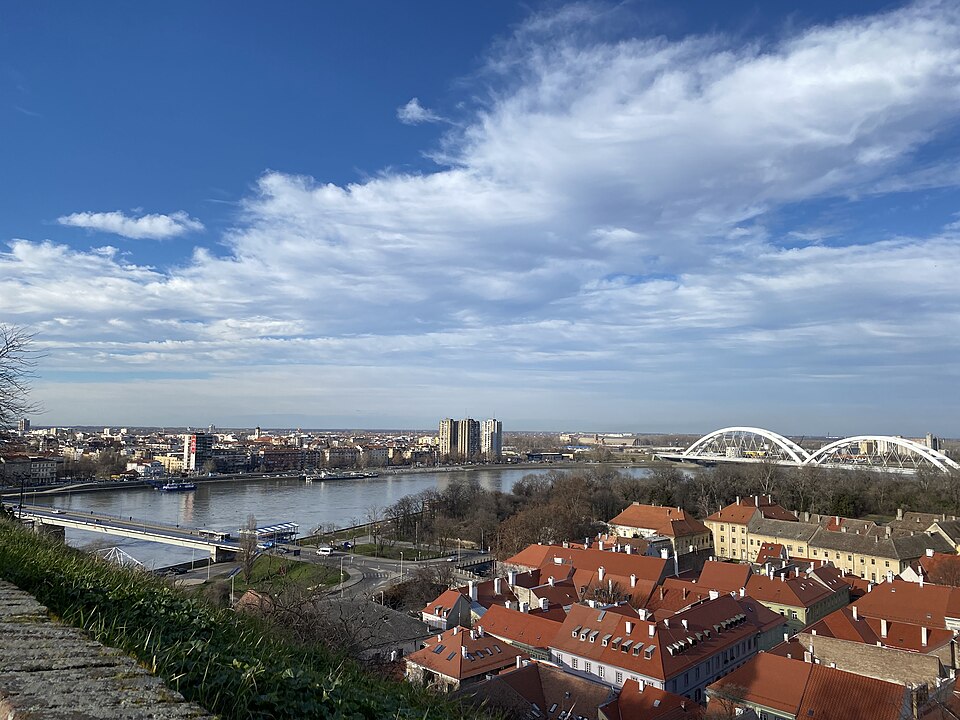
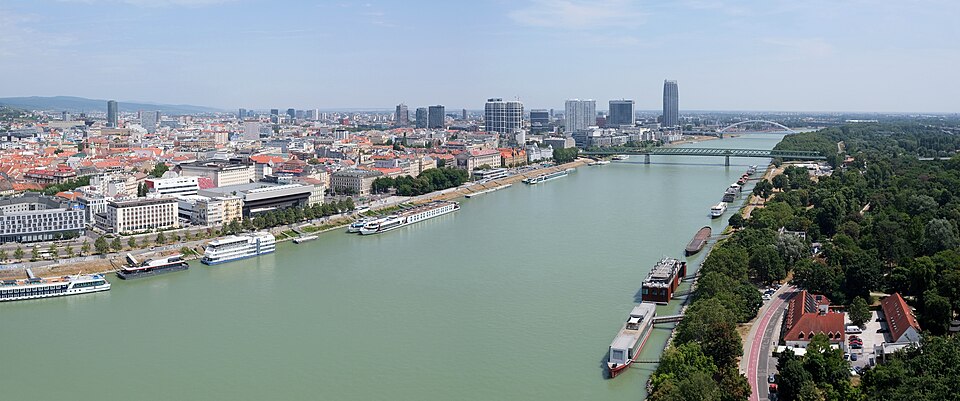
You stand on a rocky hill overlooking the Danube. The cool wind carries the scent of water and wild roses. Before you stretches the white castle tower, watching over the city for centuries. Bratislava is not merely a capital—it is a living poem where the Danube transforms from a mountain stream into a mighty river, 300 meters wide, reflecting the peaks of the Little Carpathians like a mirror of the sky.
A land where water holds no grudges and stone hides no secrets. Those who walk across the Danube bridge with a pure heart see their reflection as God created them.
Sources: Encyclopædia Britannica, UNESCO
This is where Europe meets: 4,666 km from the North Pole, 5,335 km from the Equator. The Black Sea lies 1,500 km to the east, the Baltic Sea 850 km to the north. Language: Slovenčina (46 letters including ä, ľ, ŕ, ô). Anthem: "Nad Tatrou sa blýska" (Lightning over the Tatras).
Astronomical Geography: 48° 08' N, 17° 06' E. Here, water is not just liquid—it is memory, history, and life itself.
Sources: European Geodesy Network
Culinary Treasures: Bryndzové halušky (potato dumplings with sheep cheese). Bratislavské rožky (walnut & poppy seed pastries). Famous Fruits: Grüner Veltliner white grapes. Wild apricots. Golden apples from Záhorie lowlands. Flowers: European Beech, Presidential Palace Rozárium (120 rose varieties), Linden tree.
Animal Kingdom: Slovenský čuvač (white watchdog). European beaver. Red fox. White-tailed eagle. Cultural Symbol: Čumil (The Watcher) statue - symbol of peaceful observation and honest smile.
Sources: Slovak National Museum
Historic Places: Bratislava Castle (white watchtower). Grassalkovich Palace (Andalusian gardens). St. Martin's Cathedral (coronation church). Literary Figures: Milan Rufus (poet of nature). Terézia Vansová (first Slovak novelist). Aurel Stodola (thermodynamics pioneer). Museums: University Library (est. 1919). Slovak National Museum.
Sports Clubs: ŠK Slovan Bratislava (football). HC Slovan Bratislava (hockey) - symbols of sportsmanship and community. Water Heritage: European Rivers Commission calls it "Gateway of Fresh Water".
Sources: University Libraries of Ireland & Poland
Literary Summary - "Sila's Strength" by Terézia Vansová: The story follows a rural woman named Sila who faces life's challenges with rare patience and honesty. When her neighbor is falsely accused of stealing crops, Sila courageously testifies to the truth, risking her own reputation. The story celebrates the idea that honesty is humanity's most precious possession, the only armor that cannot be pierced.
Folk Legend - "The Guardian of Devín Gate": A kind spirit dwells at the confluence of the Danube and Morava rivers. It whispered to fishermen: "The river gives according to what you take with honesty, and takes according to how you betray."
Sources: Slovak Literary Archives
🏰 Chapter II: Komárno - City of Embracing Rivers & Slovakia's Netherlands 🌊
You arrive at the "Point of Embrace," where the mighty Danube meets the Váh River in a sacred confluence. Komárno sits on the edge of Žitný ostrov, the largest river island in Central Europe, which beneath its sands stores one of the purest freshwater aquifers on the continent—nourishing millions of trees and fields.
Where two rivers meet, water cannot lie; it blends with complete transparency to become one current. Such is honesty: when it mixes with action, it creates an indivisible truth.
Sources: UNESCO, European Rivers Commission
At 47° 45' N, 18° 07' E, approximately 4,600 km from the North Pole, this city embodies linguistic harmony where Slovak (46 letters) and Hungarian coexist peacefully on street signs and in daily life—a living model of respectful coexistence. Culinary: Rybia polievka/Halászlé (Danube fish soup with paprika). Langoš (fried dough with cheese & cream).
Famous Fruits: Dark blue plums. Frankovka modrá (black grapes). Fragrant apples from river island orchards. Flowers: White water lily. Sunflowers. Vine blossoms in spring.
Sources: Japanese National Tourism Organization
Animal Kingdom: White Danube geese. Hungarian Grey cattle. Danube salmon (protected). Kingfisher. Otter. Cultural Symbol: Európa dvor (Europe Court) - miniature replicas of famous European buildings, symbol of unity and mutual respect. Historic Places: Komárno Fortress System (largest in Central Europe). Europe Court architectural square.
Literary Figures: Mór Jókai (literary giant born here). Karol Rebro (legal historian). Hana Zelinová (novelist & poet). Museums: Mór Jókai City Library. Podunajské múzeum (Danube Museum). Sports: KFC Komárno football club.
Sources: China-Europe Cultural Exchange Center
Literary Summary - "The Great Happiness" by Hana Zelinová: The novel explores a woman's journey searching for true meaning of happiness beyond appearances. The protagonist discovers that great happiness lies not in wealth, but in "living with a clear conscience, keeping promises, and planting trust in the hearts of those we love." The work celebrates inner honesty as a source of psychological peace.
Folk Legend - "The White Lady Guardian": Generations have passed down the tale of the "White Lady" who inhabits the old fortress towers. She appeared only to guards who performed their duty with honesty and integrity—a hidden protector of the river and its people.
Sources: Library of Congress
🎁 Conclusion: The Danube's Eternal Song 🌊
Bratislava and Komárno are not merely cities on a river—they are guardians of a living heritage where water teaches honesty, stones whisper history, and roses bloom between ancient walls. Less than 4,700 kilometers from the North Pole, these cities stand as testaments to the truth that civilization flourishes through peace, culture, and mutual respect.
The Danube does not rush; it flows with purpose. It does not forget; it remembers with clarity. It does not divide; it connects with honesty.
Sources: Encyclopædia Britannica · UNESCO · European Rivers Commission · Slovak National Museum · University Libraries of Ireland & Poland · Japanese National Tourism Organization · China-Europe Cultural Exchange Center · Library of Congress
📸 Slovakia Archive 🎁🤍