🗺️ Central Jutland · Denmark 🇩🇰
🎀📝 Nordic Herbal Memo 🎁🤍
🍷 Your Memo:
🔒 Ephemeral by design. Clears on reload. Zero tracking. Zero storage. Your privacy is absolute.
🌾 Chapter I: Whispers of Danish Meadows 🌸
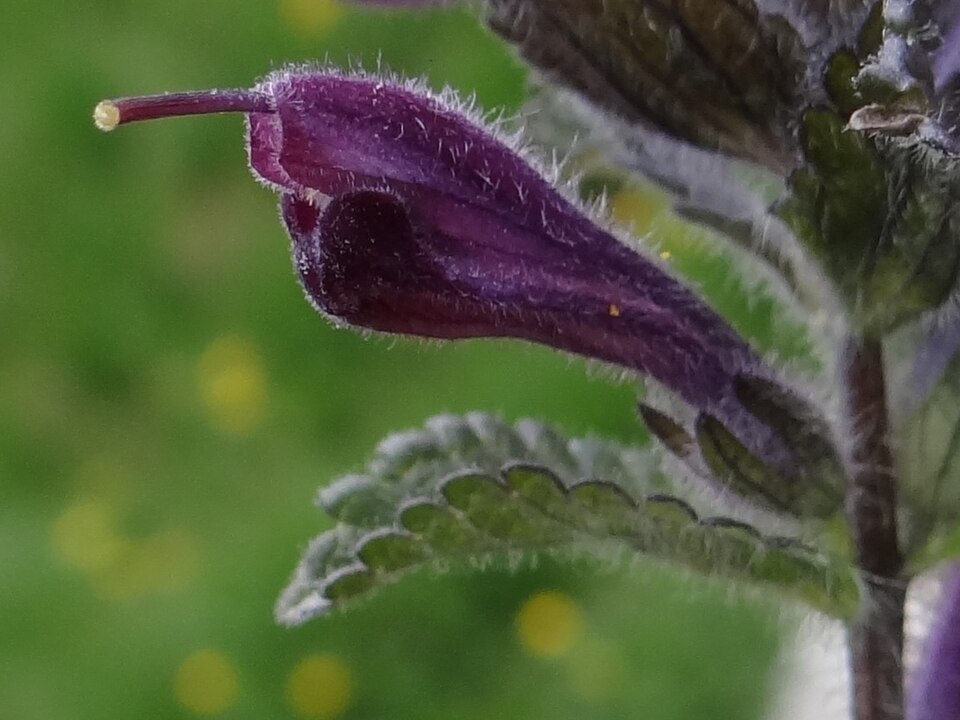
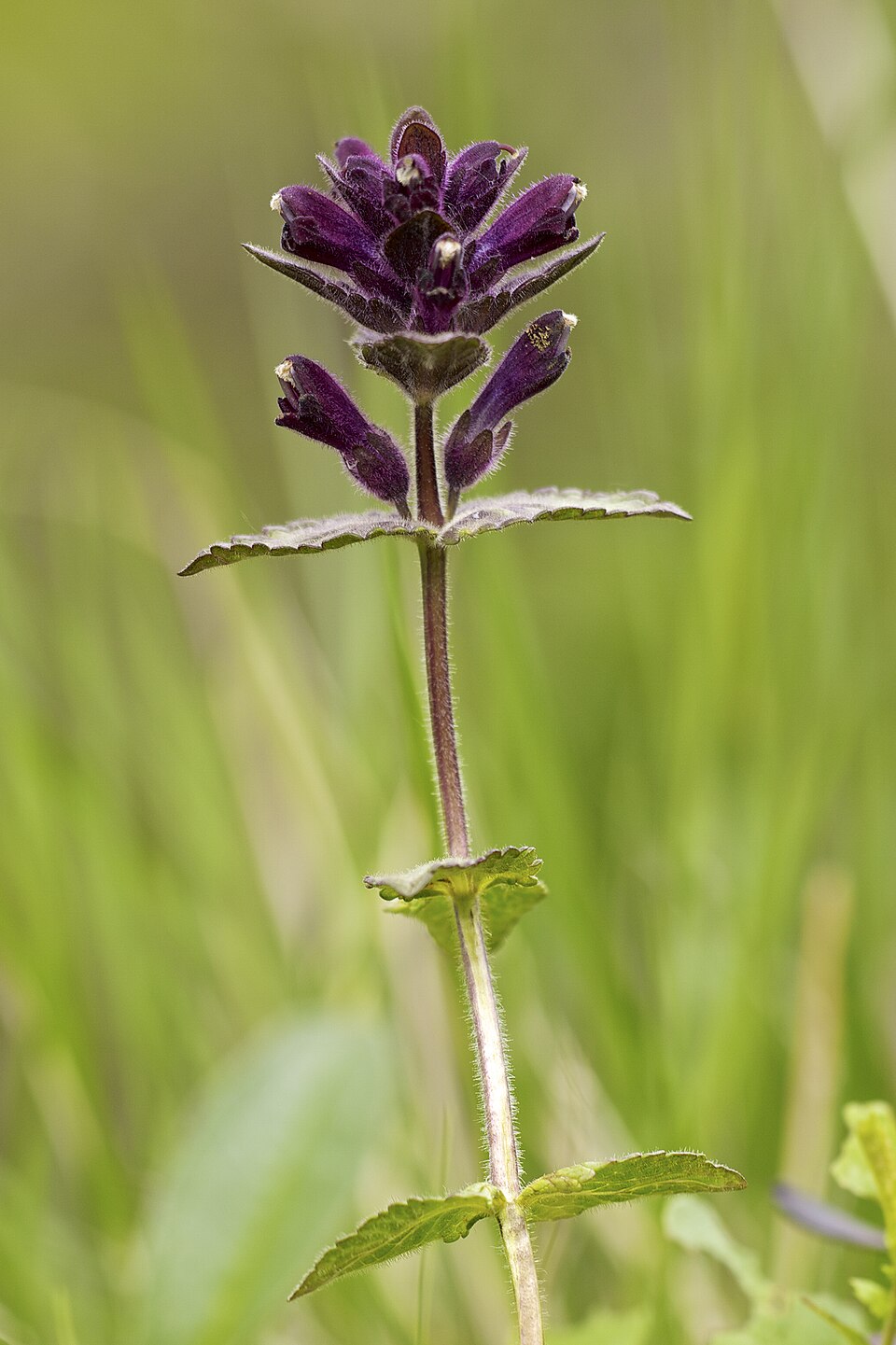
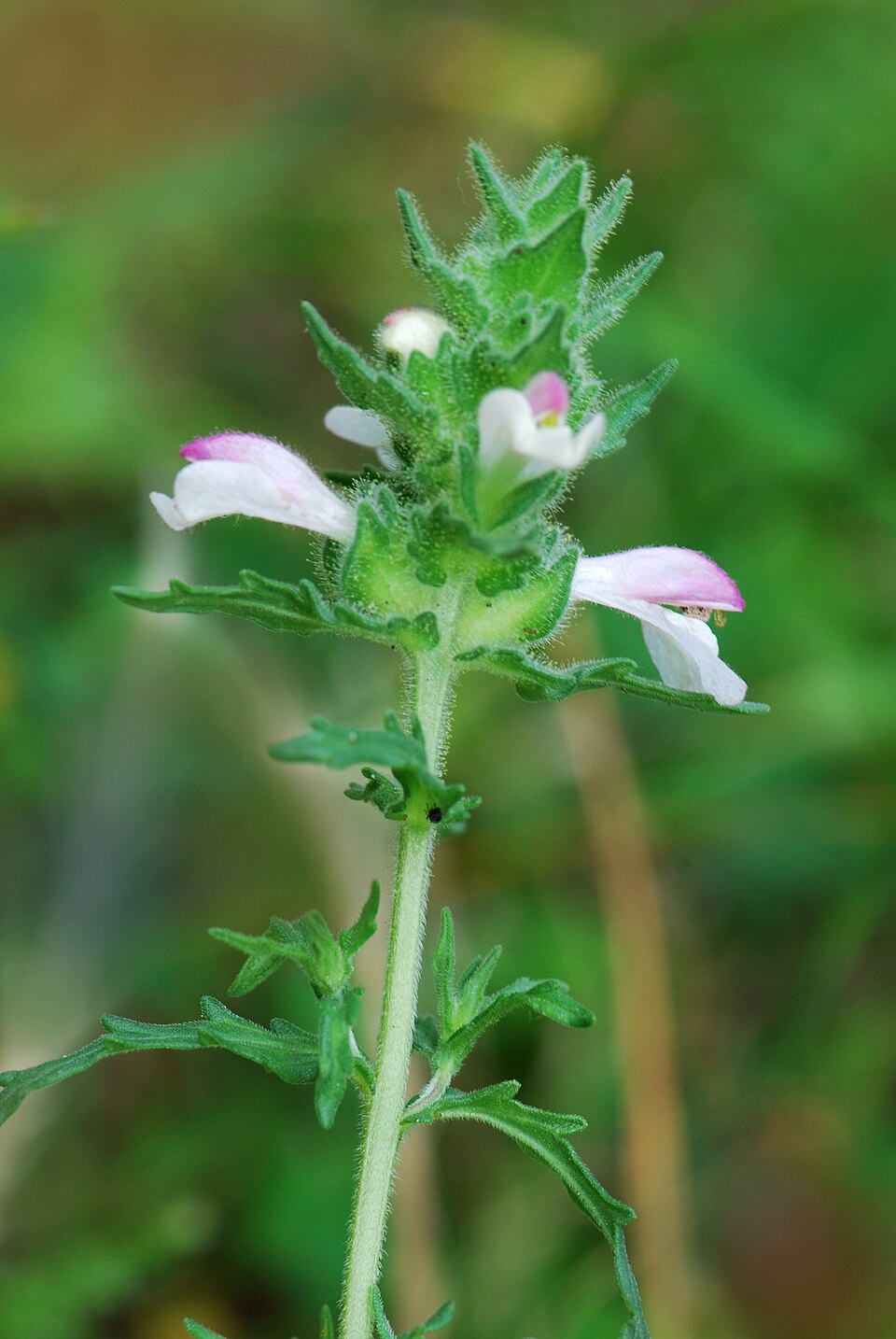
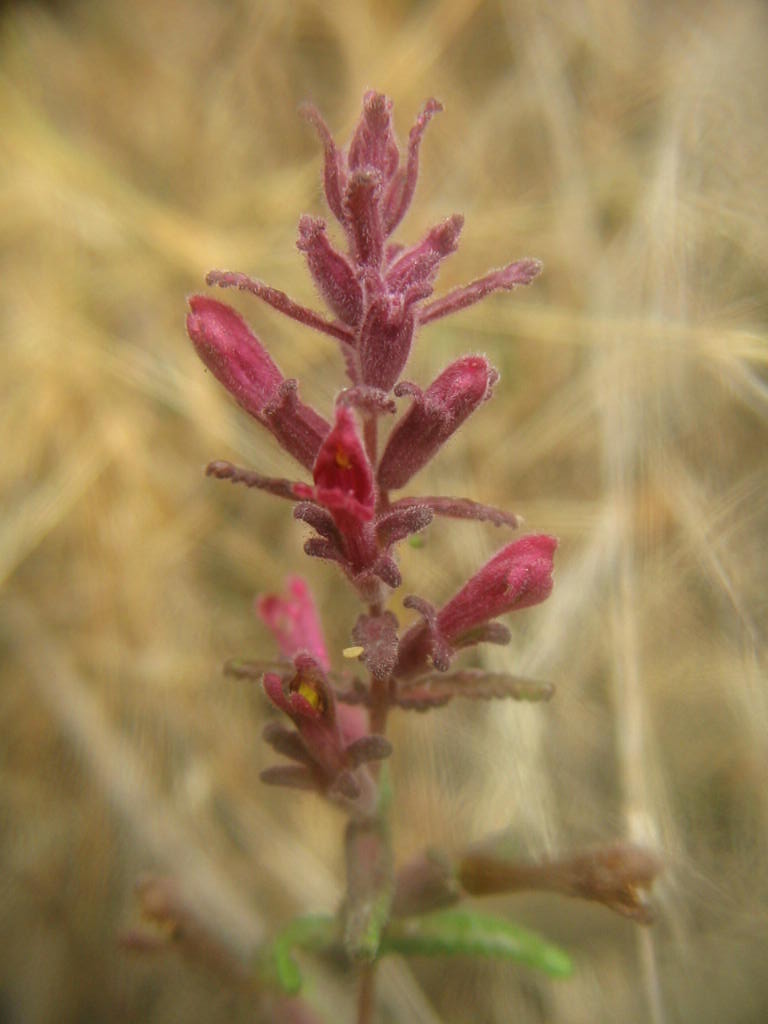
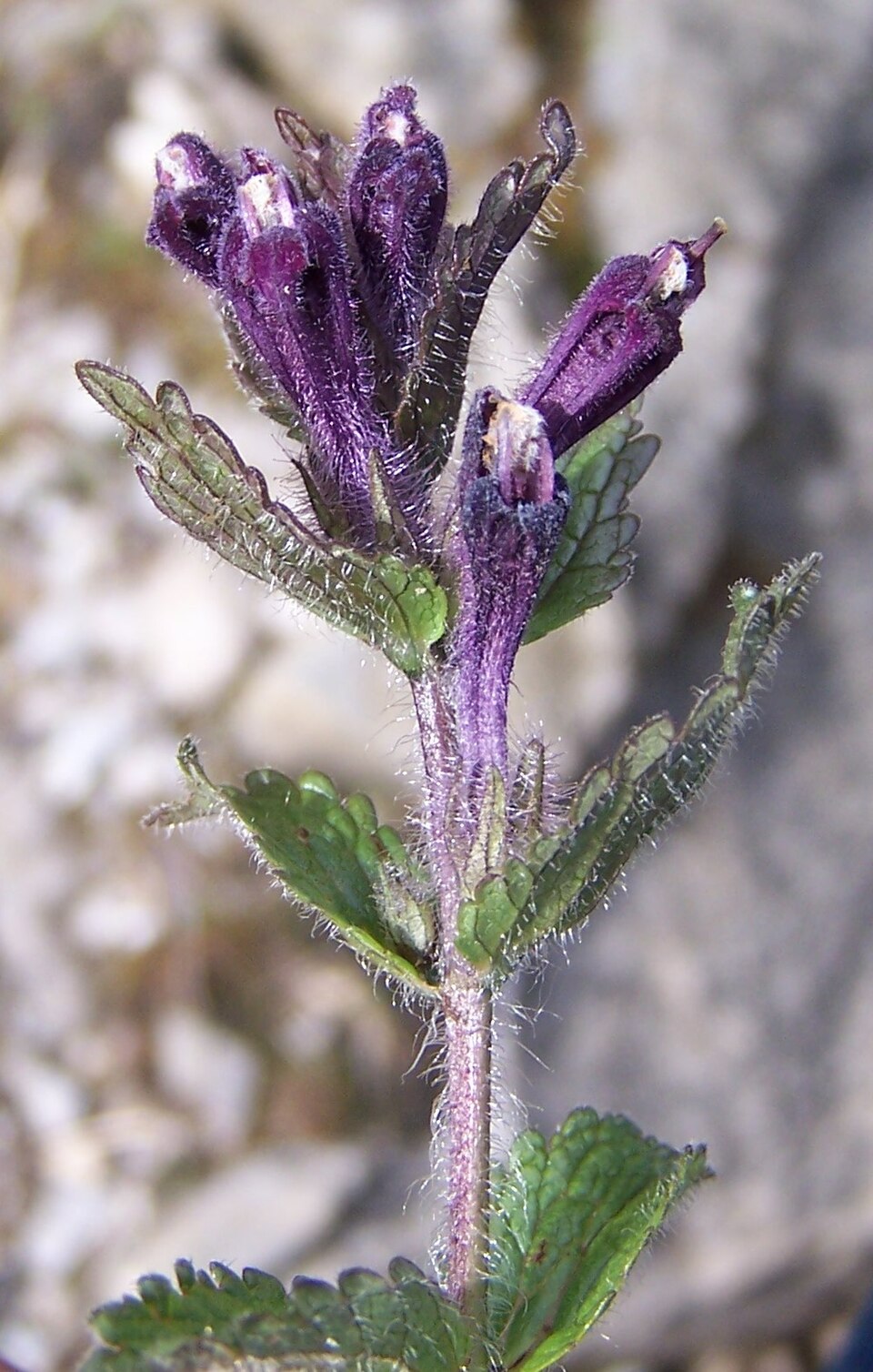
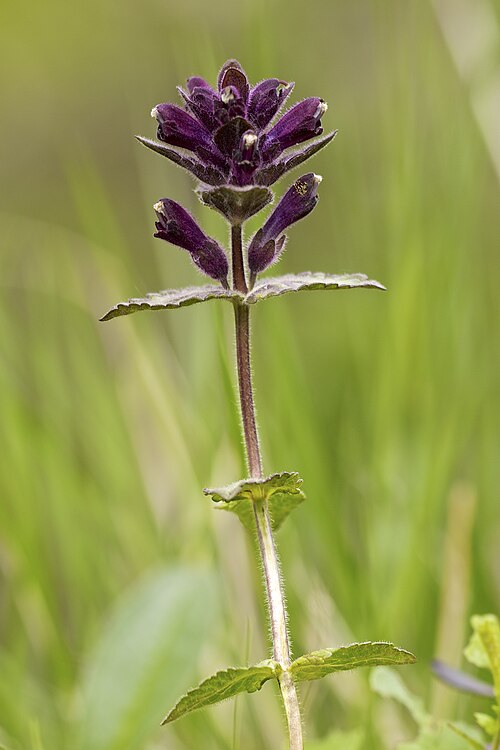
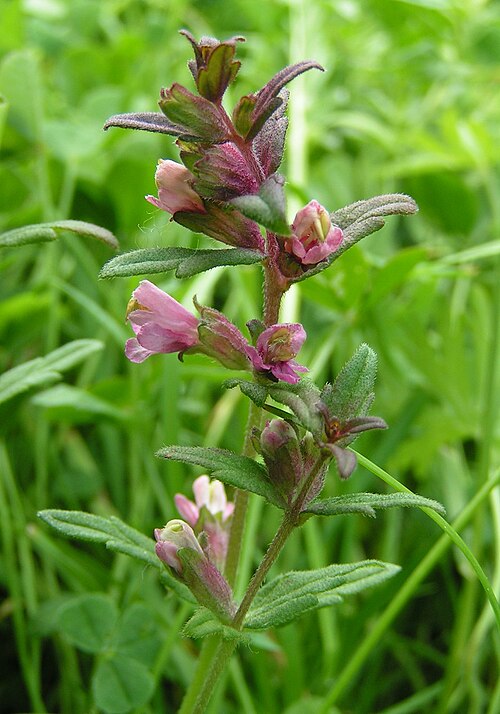
Imagine the morning mist slowly retreating from the hills of Mols Bjerge in Jutland. There, among tall fescue grasses and wild anemones, stands Rød Tvetand in quiet pride. Its four-angled hairy stem rises like a small mast, crowned with delicate pink-purple flowers, as if drops of evening twilight had frozen alive. Its roots do not work alone; they extend into darkness to embrace neighboring grass roots through "haustoria" in a hemiparasitic relationship, taking little water and minerals to give the meadows their ecological balance and beauty.
The grass that shares its root with its neighbor teaches us that true healing comes from balance and sharing, not from possession and isolation.
Sources: Naturstyrelsen (Danish Nature Agency), Flora Danica
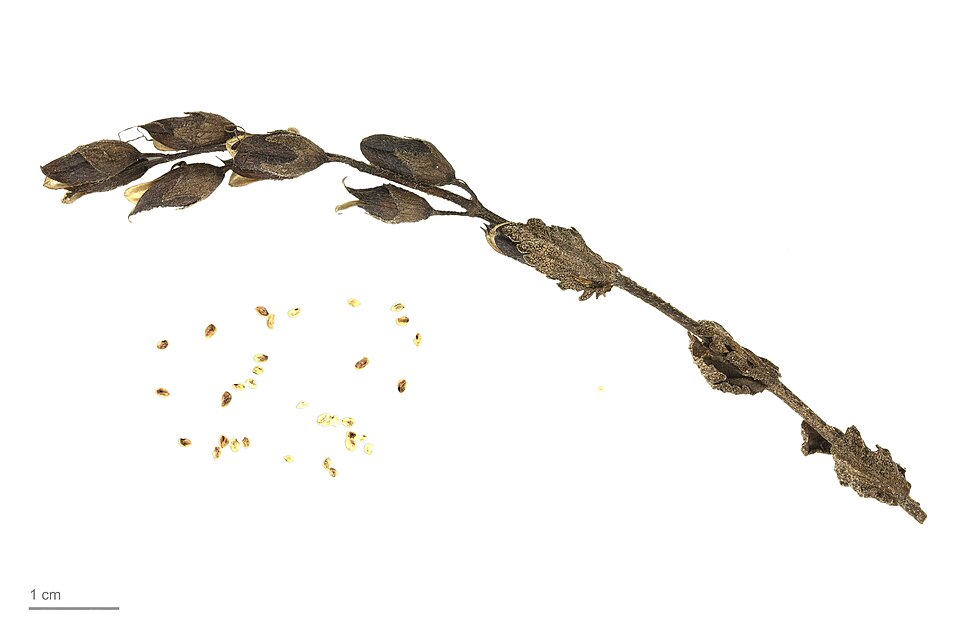
Belonging to the Orobanchaceae family, this hemiparasitic annual possesses opposite lanceolate leaves with serrated margins and hermaphroditic flowers blooming from May to October, later transforming into hairy capsules containing fine seeds. It is a botanical marvel that performs photosynthesis while drawing sustenance from neighboring plants through specialized organs called haustoria.
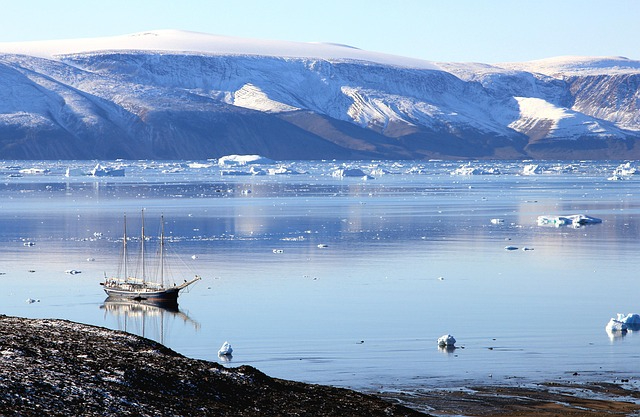
At 56°N latitude, water is not just liquid—it is memory, history, and life itself. The plant stands as a testament to ecological harmony.
Sources: Press, J.R. & Short, M.J. (1994). Flora of the British Isles. Cambridge University Press
🌍 Chapter II: The Global Geographic Tapestry 🌊
Moving east and north: where the primeval Białowieża Forest in Poland stretches its green carpet to embrace the plant. In the temperate highlands of Yunnan, China, where mist embraces mountain peaks, related species grow in harmony with moist forest soils. In villages of Hungary and Slovakia, these herbs are carefully gathered to dry under tiled roofs, their earthy bitter scent evoking the smell of land after rain.
Biochemical studies reveal the plant is rich in iridoids (Aucubin, Catalpol) and phenylethanoid glycosides (Acteoside), compounds scientifically documented for their hepatoprotective and anti-inflammatory properties.
Sources: Flora of China Editorial Committee (2011), European Scientific Cooperative on Phytotherapy (ESCOP)
The plant thrives across temperate regions of the Northern Hemisphere: Denmark, Nordic countries, Europe (including Balkans, Baltics, Netherlands, Ireland, Poland, Belgium, Germany, Hungary, Slovakia), and temperate parts of Asia (China, Japan). Its presence in tropical regions like Thailand and Latin America is limited to academic comparative studies in prestigious botanical gardens, as it does not naturally grow in those climates.
This ecological precision reminds us that every species has its sacred geography, its destined place in the tapestry of life.
Sources: Zając, A. & Zając, M. (2001). Atlas of the Geographical Distribution of Vascular Plants in Poland
📜 Chapter III: Earth's Myths & Folk Heritage 🏔️
In the Celtic mist of Connemara, Ireland, and among the ancient mountains of the Balkans, grandmothers told stories of meadow plants. Rød Tvetand was not merely an herb; it was seen as a "little guardian" of the meadows. Due to its belonging to the same family as Eyebright, some myths related to vision and clarity transferred to it. Its name derived from Greek "Odous" (tooth) due to serrated leaf margins made it a symbol of "endurance" against bone and joint pain in some German villages.
Healing begins from the moist earth, where roots intertwine in silence, just as the body's pain intertwines with the soul's patience and acceptance of medicine.
Sources: Stearn, W.T. (1992). Botanical Latin. Timber Press; Grieve, M. (1931). A Modern Herbal
The genus name Odontites was derived from the Greek word "odous" meaning "tooth," a precise morphological reference to the serrated margins of the plant's leaves. This classification was established by botanist Michel Adanson in the 18th century and remains valid today. The linguistic connection created folk associations with dental health in some regions, though scientifically unfounded.
Names carry the memory of those who first observed, named, and classified—each syllable a bridge between ancient eyes and modern understanding.
Sources: Stearn, W.T. (1992). Botanical Latin (4th ed.). Timber Press
🍵 Chapter IV: Wisdom of the Healers 🌰
Inside an old herbal pharmacy in Brussels or a rural kitchen in Hollókő, Hungary, bundles of this plant hang to dry in shade away from direct sunlight to preserve volatile oils. When boiled, water turns golden-green, emitting a slightly bitter herbal scent reminiscent of earth after first rain. This is the "balance drink" grandmothers served to those suffering from stomach heaviness or as a natural wash for chronic joint inflammation.
Nature gives its medicine only to those who respect its timing; the herb picked at flowering carries the spirit of the sun, while that picked early is nothing but water and grass.
Sources: Karioti, A., et al. (2004). Journal of Natural Products; European Medicines Agency (EMA)
Traditional use as a "diuretic" and "anti-inflammatory" is supported by laboratory studies showing the plant's ethanolic extract inhibits inflammatory pathways (TNF-α, IL-6). In traditional Mongolian medicine, it is used under the name "Basaga" to support rheumatoid arthritis treatment. The compound Acteoside shows notable efficacy in protecting liver cells from toxicity.
From grandmothers' kitchens to modern laboratories, the journey of herbal wisdom continues—bridging ancient intuition with scientific verification.
Sources: Tundis, R., et al. (2014). Journal of Ethnopharmacology; ESCOP Monographs
🧊 Conclusion: The Meadow's Eternal Song 🌾
Rød Tvetand, despite its smallness and modesty, is a miniature ecological and medicinal marvel. It combines humility (being hemiparasitic, depending on others) with strength (through its active chemical compounds). It teaches us that true power lies not in independence, but in balanced interdependence—not in taking all, but in taking little to preserve diversity and prevent domination.
Rød Tvetand does not rush; it grows with purpose. It does not take greedily; it shares with wisdom. It does not dominate; it harmonizes. Such is the way of the meadow, such is the way of life.
Sources: Naturstyrelsen · ESCOP · Flora of China · Journal of Ethnopharmacology · European Medicines Agency · Botanical Latin · A Modern Herbal
📸 Nordic Botanical Archive 🧊🤍